

































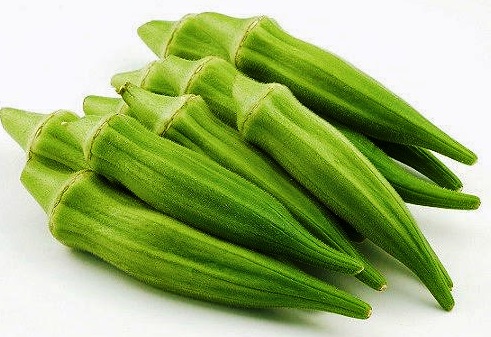
Okra — also called gombo or lady’s finger — is a small green pod with a big role in West African, Caribbean, and Southern cooking. Its natural thickening power makes it the backbone of soups and stews across dozens of traditional dishes, but it’s also one of the more misunderstood vegetables if you haven’t cooked with it before.
Why okra behaves the way it does
Okra releases a mucilaginous texture when cut and cooked — that’s what gives soups like okra soup or gumbo their signature body. It’s not a flaw; it’s the entire reason okra is used the way it is. If you want that thickening effect, chop it small and let it cook down. If you’d rather keep it firmer with less sliminess, cook it whole or fry it quickly over high heat.
Choosing fresh okra
Good okra pods are firm, bright green, and snap cleanly when bent — not bendy or soft. Smaller pods (under 10cm) are typically more tender; larger ones can be fibrous. We stock fresh Okra / Gombon regularly — check current stock for what’s freshest this week.
Ways to cook it
- Sliced into soup or stew: The classic method — releases thickening body, works beautifully with tomato-based or leafy soups.
- Whole and quickly fried or grilled: High heat, short cooking time, minimal sliminess — a good side dish on its own.
- Stewed with tomatoes and onions: A simple, quick preparation that lets the okra’s flavor come through without heavy seasoning.
Storage tips
Fresh okra is best used within a few days. Store it unwashed in the fridge, ideally in a paper bag rather than sealed plastic, which helps prevent it from becoming slimy before you’ve even cooked it.
Pair it with other soup staples from our Fresh Vegetables range, or explore our Spices for the seasonings that go with it.